LPG dual fuel propulsion technology offers environmental, operational and economic benefits
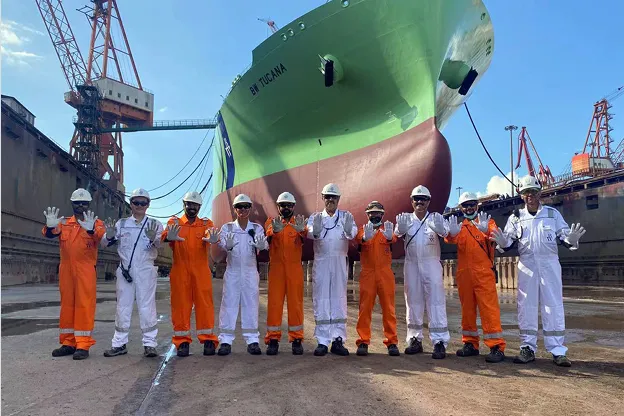
As the world’s largest owner and operator of VLGCs, BW LPG leverages its scale and deep expertise in maritime shipping to invest in R&D and implement pioneering onboard technologies that help push the industry toward decarbonization. Today, the standard VLGC is equipped with LPG dual-fuel engines capable of running on LPG, designed for optimal fuel efficiency and reduced greenhouse gas emissions.
With the largest fleet of LPG dual-fuel–powered VLGCs, we are committed to cleaner propulsion technologies while maintaining our focus on safe and reliable operations. This enables us to minimize our environmental footprint, continue providing industry-leading customer service, and generate strong returns for our shareholders.
Frequently Asked Questions
We answer all your questions and more, on LPG dual-fuel propulsion engines – from improved efficiencies to future proofing, cost savings and supply-related topics.
Benefits of LPG propulsion
LPG propulsion technology reduces emissions to air
- LPG emits 4% and 6% less carbon (gCO2/gfuel) compared to VLSFO and MGO, respectively.
- Energy per ton of fuel (LPG vs VLSFO): for every ton of LPG used, we save 0.59 tons of CO2.
LPG propulsion technology offers efficiency gains
- LPG contains 14-15% more usable energy per unit of fuel than VLSFO
LPG propulsion technology is cost efficient
- ~USD 3,000/day fuel cost savings using LPG vs. VLSFO (2025)
LPG propulsion explained
Pioneering the technology needed for LPG dual-fuel propulsion
As the world’s largest owner and operator of Very Large Gas Carriers, we looked at the heart of our business and our vessels. What if we could deliver cleaner energy to world markets, through cleaner means of propulsion? What if we could power our vessels with LPG? How can we do so when marine engines that can be powered by LPG does not exist?
By building on available technology. By investing in R&D, contributing resources and technical expertise in partnership with the world’s leading engine manufacturers. Together, we pioneered the world’s first dual-fuel LPG propulsion engine, which can seamlessly switch between LPG and conventional fuels.
How it works
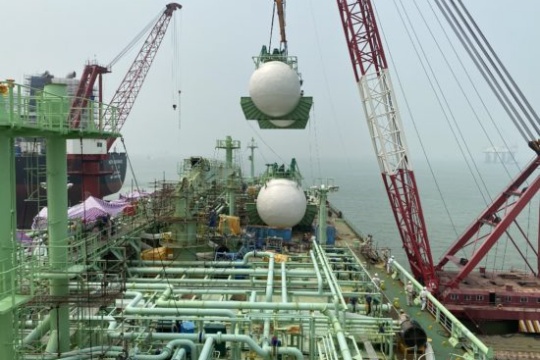
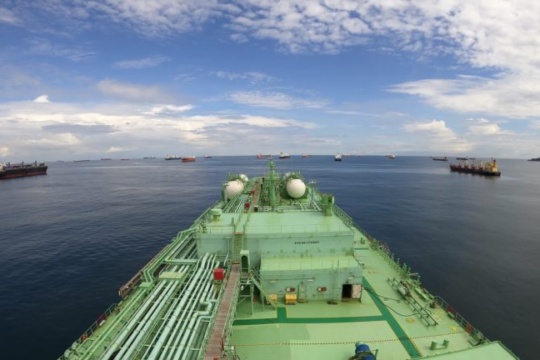
First, LPG deck tanks are filled together with the LPG cargo tanks using the cargo system during loading. LPG is then drawn from the deck tanks into a fuel gas supply system and piped to the engine.
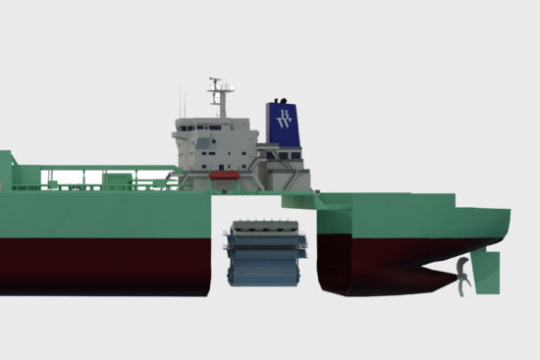
A small amount of compliant pilot fuel, such as diesel, is injected into the engine as the piston nears the top. It sparks under pressure, and LPG burns to create propulsive force.